AEO, GEO & AI Search Visibility
Search is splitting in two: classic rankings and AI answers. Here is how AEO and GEO keep your business visible to ChatGPT, AI Overviews, and beyond.
By Syed Asif · SEO Consultant · Updated October 2026
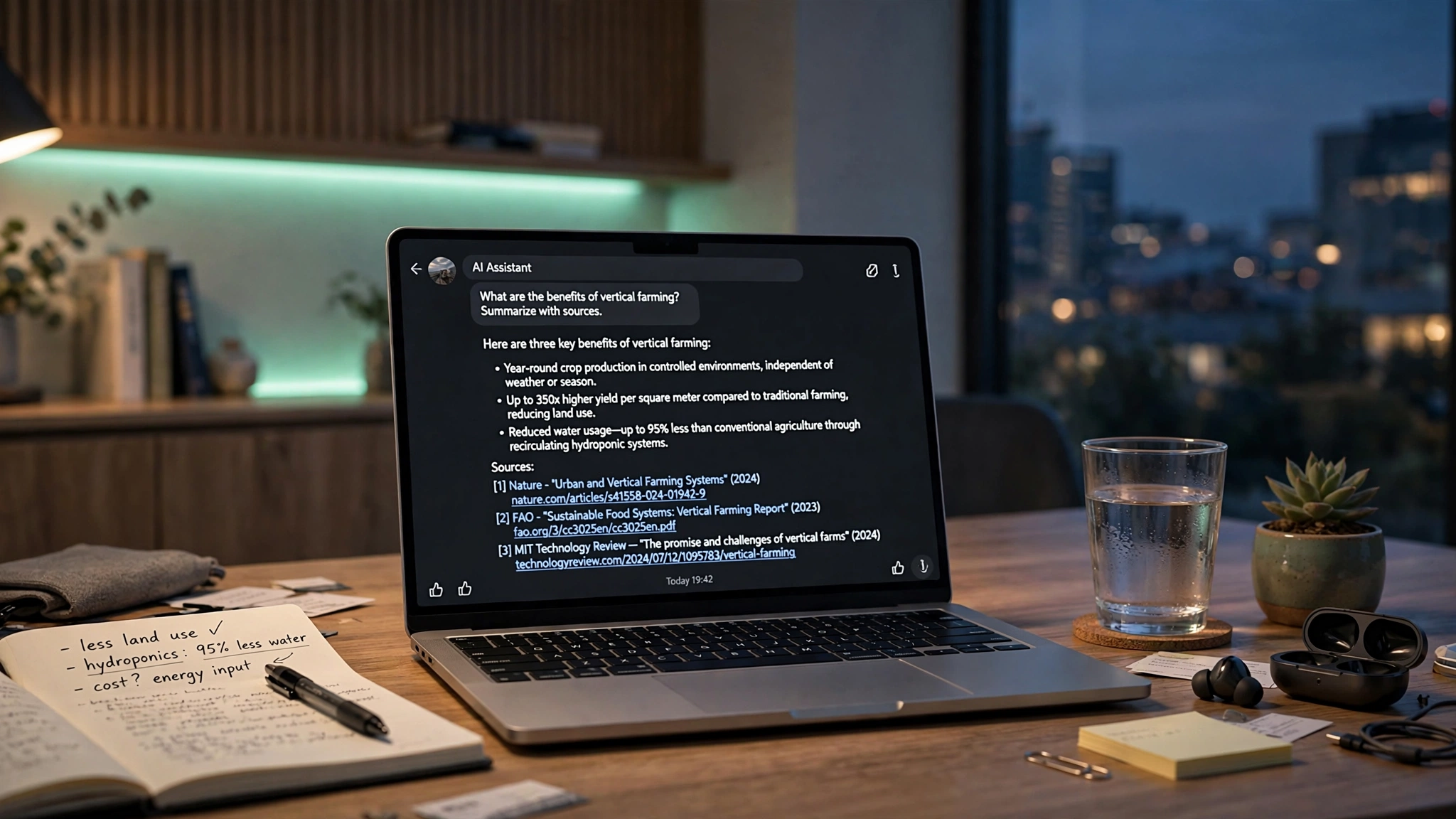
Search Is Changing — Visibility Means More Than Rankings Now
For twenty years, SEO meant one thing: rank in Google's ten blue links. That game still matters, but a second game has started. Millions of people now get answers directly from AI — ChatGPT, Google's AI Overviews, Perplexity, Gemini — without ever clicking a result. If your business is not cited in those answers, you are invisible to a growing share of searchers.
Two new disciplines cover this: AEO (Answer Engine Optimization) and GEO (Generative Engine Optimization). Together with classic SEO, they decide whether AI systems know you exist — and recommend you.
What AEO (Answer Engine Optimization) Is
AEO optimizes your content to be the direct answer. When someone asks a question — to Google, a voice assistant, or an AI — answer engines pull concise, well-structured answers from the web. AEO tactics include:
- ✓ Clear, direct answers in the first 40–60 words of each section.
- ✓ FAQ sections with real questions phrased the way people ask them.
- ✓ FAQ and HowTo schema markup so machines parse your answers reliably.
- ✓ Short paragraphs, lists, and tables — formats answer engines love to lift.
What GEO (Generative Engine Optimization) Is
GEO goes further: it optimizes for being cited and recommended by generative AI models. LLMs do not "rank" pages — they synthesize answers from sources they trust. Research into LLM citation behavior shows models favor sources that are:
- ✓ Authoritative and cited elsewhere — mentioned across reputable sources, not just your own site.
- ✓ Clear and factual — specific claims, statistics with sources, unambiguous statements.
- ✓ Well-structured — headings, lists, and definitions that models can extract cleanly.
- ✓ Entity-rich — consistent naming of your brand, services, and location across the web so the model builds a confident knowledge profile of you.
How AI Systems Choose Whom To Cite
Think of it as reputation at machine scale. Models draw on their training data and, increasingly, live retrieval. Businesses that appear consistently — same name, same services, same location, same expertise claims — across their website, directories, reviews, and press, become "known entities." Unknown or inconsistent entities get skipped. This is why entity consistency (the boring work of matching NAP data and brand descriptions everywhere) is suddenly a cutting-edge tactic.
Practical Steps To Improve AI Search Visibility
1. Write For Extraction
Put the answer first, then the explanation. Every section of your key pages should open with a direct answer a model could quote verbatim.
2. Add Structured Data Everywhere It Fits
Organization, LocalBusiness, FAQPage, Article, and Service schema give machines explicit facts instead of forcing them to guess from prose.
3. Build Your Entity Footprint
Consistent profiles on Google Business, LinkedIn, directories, and industry sites. Publish under your real name. Get mentioned in reputable places. Every consistent mention strengthens the model's confidence in who you are.
4. Demonstrate Real Expertise
AI models and Google alike reward E-E-A-T: experience, expertise, authoritativeness, trust. Original data, detailed how-tos, case studies, and genuine author credentials beat generic AI-written filler — ironically, the more AI-generated content floods the web, the more valuable real expertise becomes.
5. Monitor AI Visibility
Regularly ask the major AI assistants the questions your customers ask, and note whether you are cited. Track which pages get referenced and strengthen them. This is the new rank tracking.
AEO And GEO Do Not Replace SEO — They Extend It
Everything that helps AI visibility also helps classic SEO: clear structure, schema, authority, and expertise. The businesses winning in AI search are simply doing excellent SEO with AI consumption in mind. That is how I approach it in my SEO services — every engagement now includes AEO/GEO fundamentals: answer-first content, full schema coverage, and entity building, so you are visible in blue links and AI answers alike.
What To Do This Month: The AI Visibility Sprint
Overwhelmed? Here is a focused 30-day sprint that covers the highest-impact AEO/GEO work:
- ✓ Week 1 — answer-first rewrite. Take your five most important pages and open each section with a direct, quotable answer. Add a real FAQ section to each.
- ✓ Week 2 — schema. Implement Organization, LocalBusiness (or ProfessionalService), FAQPage, and Article schema. Validate everything in Google's Rich Results Test.
- ✓ Week 3 — entity consistency. Audit your name, services, and location across your site, Google Business Profile, LinkedIn, and top directories. Fix every inconsistency.
- ✓ Week 4 — citation test. Ask ChatGPT, Gemini, and Perplexity the top ten questions your customers ask. Note where you appear, where competitors appear, and where nobody credible appears — those gaps are your content opportunities.
Repeat the citation test monthly. AI visibility compounds like SEO: the businesses that start now build the entity strength competitors will struggle to catch.
Frequently Asked Questions
Related Reading
Go deeper with my SEO services, or continue with SEO For Small Business and Custom SEO Tools.
Want SEO That Actually Brings Customers?
Tell me about your business and I will map out exactly what your SEO should look like. Pricing is a simple $— placeholder until we talk — no surprises, no hidden fees.
Let's Make Google Work For You
Tell Me About Your Goals — I'll Tell You Honestly What SEO Can Do For Them.